
In the quest for tranquillity within our homes, the ability to reduce external noise is invaluable.
Whether it’s the hum of city traffic, noisy neighbours, or other disturbances, effective soundproofing can significantly enhance our living environment. Among the various options available, curtains and blinds stand out as popular choices for their dual functionality—providing both privacy and noise reduction. However, the effectiveness of these solutions varies, and understanding which option better serves your soundproofing needs is crucial.
This article delves into the noise reduction capabilities of both curtains and blinds, offering insights into which is the more effective choice for a serene home space.
Understanding Noise Reduction with Curtains

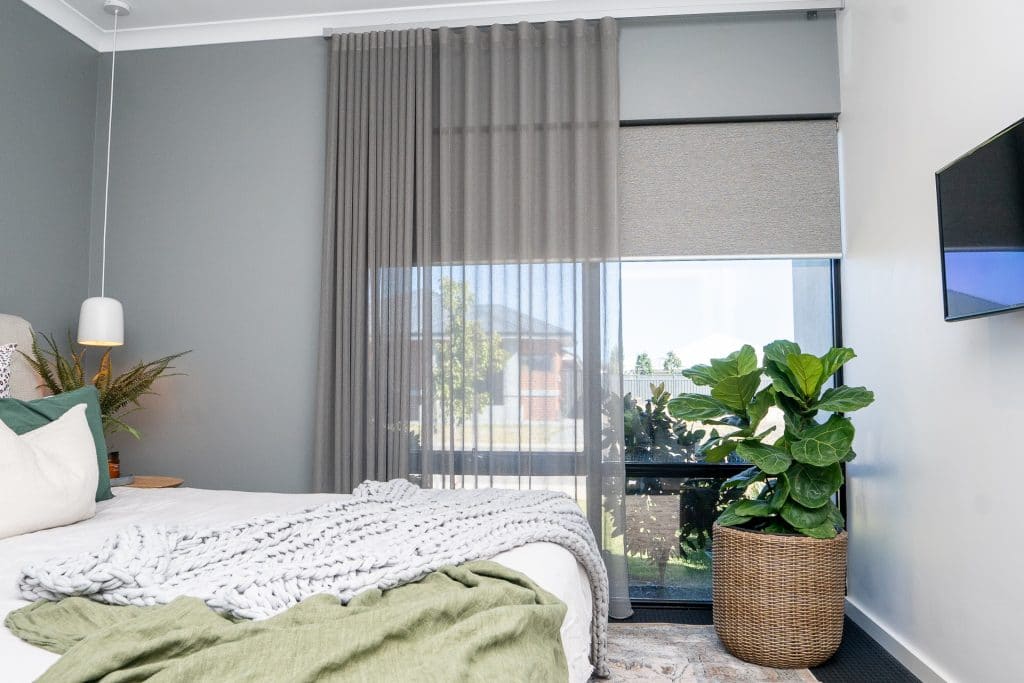
Installing curtains will enhance the aesthetics of a room as well as play a significant role in dampening external noises. The key to their effectiveness lies in the materials used; curtains made from heavy, tightly woven fabrics are particularly adept at absorbing sound. This is because these materials have a dense structure that traps sound waves, preventing them from reflecting off windows and walls.
Moreover, the larger the surface area of the curtain, the more sound it can absorb. When curtains are hung, they typically fall in irregular, wavy folds, which increase their ability to catch sound waves coming from various directions. The best soundproofing results are often achieved with curtains that are thick and reach from ceiling to floor, covering the window entirely.
This substantial coverage not only blocks out light but also fills the gaps through which sound travels, making heavy drapes an excellent choice for those looking to reduce noise pollution in their homes effectively.
Evaluating Blinds for Noise Reduction
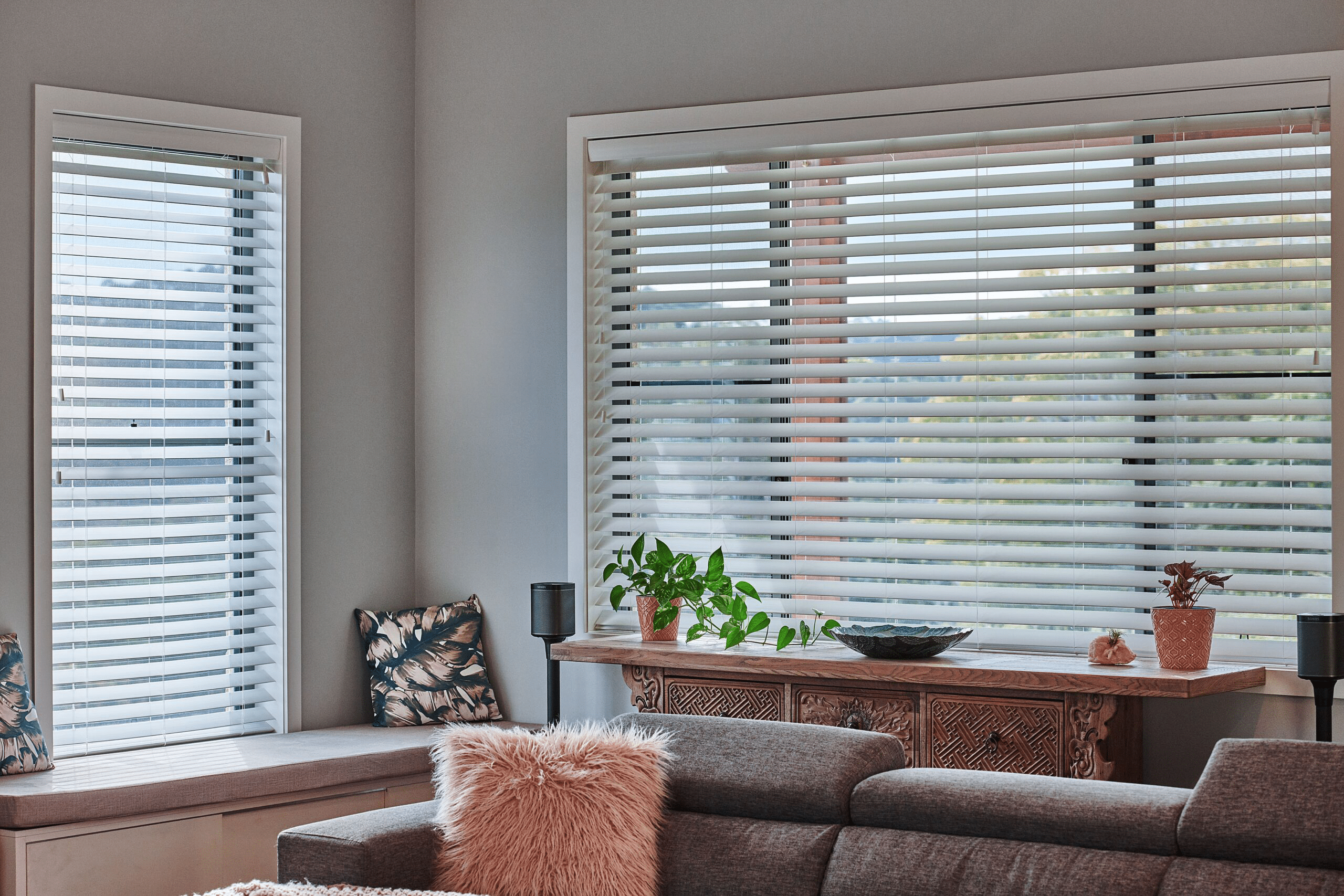
Blinds, while primarily known for their light control capabilities, also contribute to noise reduction, albeit to a varying degree depending on their type and construction. Cellular shades, for instance, are particularly noted for their sound-absorbing properties. These blinds feature honeycomb-like structures that create air pockets, which help in insulating against both thermal transfer and noise. This structure allows them to dampen incoming sound by disrupting the sound waves as they pass through the air-filled cells.
Roman shades are another effective option for noise reduction. Made from thick, often layered, cloth-like materials, Roman shades provide a substantial barrier against noise. The heavier the fabric used in the blinds, the more sound they are capable of absorbing, much like heavy curtains.
However, it is important to note that while certain types of blinds offer appreciable noise reduction, they generally do not match the soundproofing effectiveness of full, heavy drapes. Blinds are typically closer to the window pane and cover less wall area around the window, limiting their ability to intercept sound waves compared to curtains.
Comparative Analysis: Curtains vs. Blinds
When comparing the noise reduction capabilities of curtains and blinds, several factors come into play that influence their effectiveness. Curtains, with their thick fabrics and extensive coverage, generally provide superior sound absorption. This is largely due to their ability to cover a larger surface area, which not only includes the window but also extends over adjacent wall spaces. The heavy, dense material of curtains is better suited for absorbing and minimising sound waves that enter a room.
Blinds, although beneficial in reducing some noise, typically do not offer the same level of soundproofing as curtains. Their structure and fitting allow less coverage beyond the window pane, which results in a limited capacity to buffer sound. Certain types of blinds, like cellular shades, do perform better in noise reduction due to their insulative properties, but they still fall short when compared to the comprehensive capabilities of heavy drapes.
However, blinds can be a more practical choice in situations where window treatment thickness or extensive fabric coverage is not feasible or aesthetically desirable. Additionally, combining both blinds and curtains can enhance overall noise reduction. This layered approach utilises the benefits of both—blinds for moderate sound dampening and light control, and curtains for maximum sound absorption.
This comparative analysis highlights that while both window treatments can contribute to a quieter indoor environment, curtains are the more effective option for significant noise reduction. However, for those seeking a balance between functionality and interior design, incorporating both elements may provide the best solution.
Additional Soundproofing Solutions
While curtains and blinds can make a notable difference in reducing noise, there are additional soundproofing materials and techniques that can further enhance the tranquillity of your home. For those seeking more substantial noise reduction, integrating specialised soundproofing materials into their window treatments is a viable option.
Soundproofing Insulation: Installing acoustic foam or fibreglass insulation around window frames can significantly block external noise. These materials are designed to absorb sound waves effectively, thereby reducing the penetration of unwanted noise into a room.
Acoustic Panels: Another effective solution is the use of fabric-wrapped acoustic panels. These panels can be placed around the window area to further dampen sound. They are particularly useful in rooms where noise reduction is paramount, such as home studios or offices.
Isolating Partitions: For extreme cases, adding an isolating partition or secondary glazing to windows can dramatically improve sound insulation. This involves installing an additional layer of glass or acrylic that acts as a barrier against noise, effectively creating a soundproof seal.
These soundproofing enhancements can be used in conjunction with curtains and blinds to achieve an even quieter indoor environment. Each method offers different levels of noise control, allowing homeowners to tailor their soundproofing solutions to meet specific needs and preferences. By combining these techniques with traditional window treatments, you can significantly elevate the acoustic comfort of your living space.
Sounding Out the Options
In the debate between curtains and blinds for noise reduction, it’s clear that curtains generally offer superior soundproofing capabilities due to their thicker materials and larger coverage area. However, blinds can still play a role in a sound reduction strategy, especially when used in conjunction with curtains for enhanced effect. For those prioritising noise control, combining both window treatments along with additional soundproofing solutions provides the most effective defence against external noise.
Ultimately, the choice between curtains and blinds will depend on your specific noise reduction needs, aesthetic preferences, and the practical considerations of your space. By understanding the strengths and limitations of each option and possibly integrating other soundproofing materials, you can create a serene and quiet environment tailored to your home’s requirements.

/beginners-guide-decorating-living-rooms-2213483-01-dc1147fbe923412da3fe215f7583e66a.jpg "Decorate Your Home for Joy Using Design Psychology")
